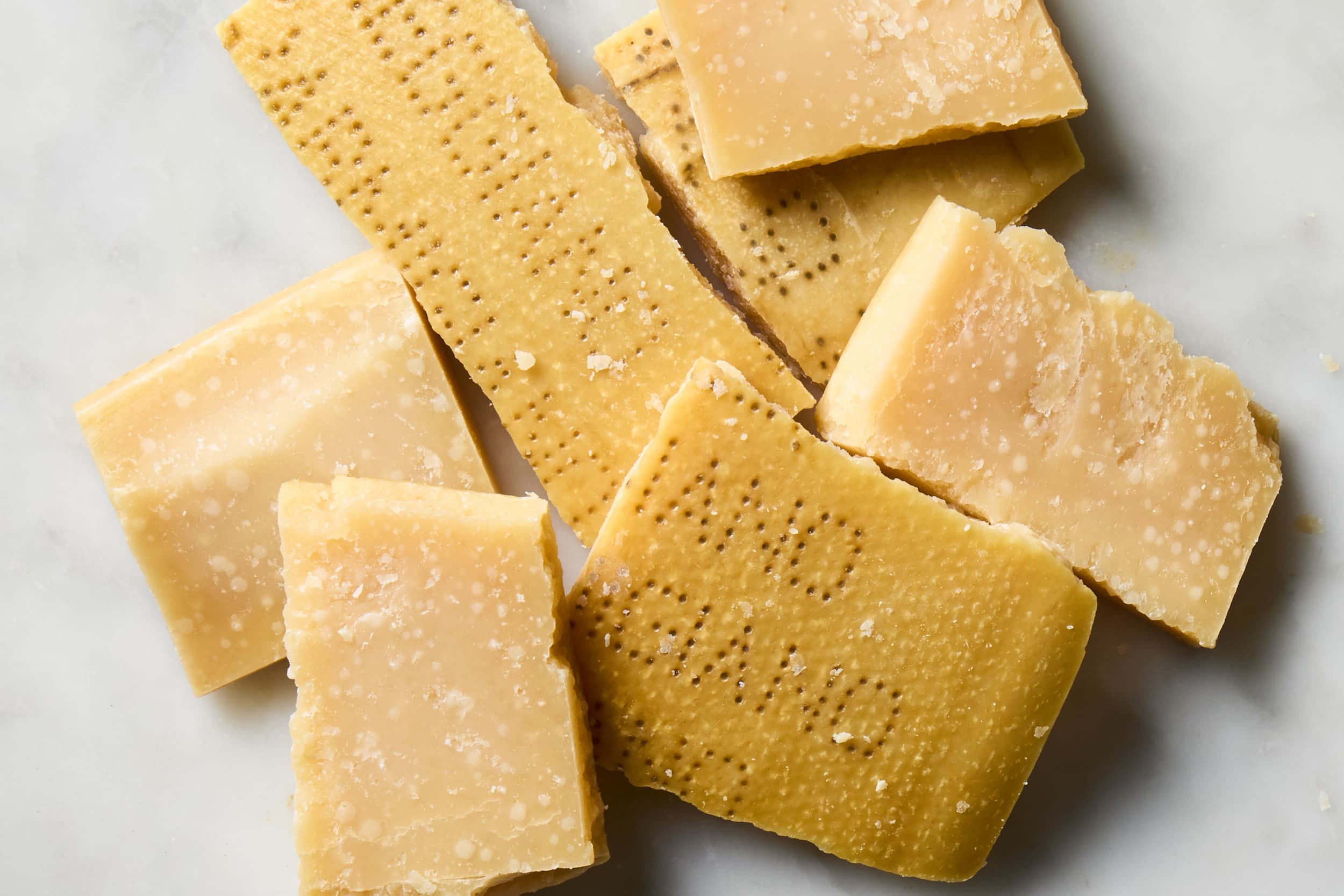
Simply put, it’s the hard, outer crust of a wheel of Parmigiano-Reggiano. This baby gets aged for a minimum of 12 months (sometimes 24 or 36!), and during that time, the outside turns into a tough, flavorful armor. It’s not meant to be sliced and eaten on a cracker—your teeth would probably stage a revolt.
But here’s the kicker: inside that hard shell is a concentrated bomb of umami. All those nutty, salty, cheesy notes get packed in tighter than a subway car at rush hour. Companies actually sell these rinds in bags now, and people pay money for them. Crazy, right? (Don’t worry, I’m one of those people now.)
So no, the rind isn’t a cheese mistake. It’s a culinary secret weapon waiting to be deployed. And you’ve probably been tossing them in the trash like a barbarian. No judgment—I did it too for like, 25 years.
Why Should You Care? (Or: How to Stop Being a Rind-Tosser)
If you’re not hoarding these rinds, you’re missing out on free flavor. Think of it as a cheese-flavored bay leaf. You wouldn’t eat the bay leaf, but you’d sure as hell miss it if it weren’t in your soup. The rind works the same magic—just drop it in, let it simmer, and presto.
Here’s where the irony kicks in. You spend good money on a nice wedge of Parmesan, nibble away the soft part, and then chuck the most powerful part in the bin. It’s like buying a steak and only eating the fat. Wait—bad example. Some of us love the fat. But you get the point.
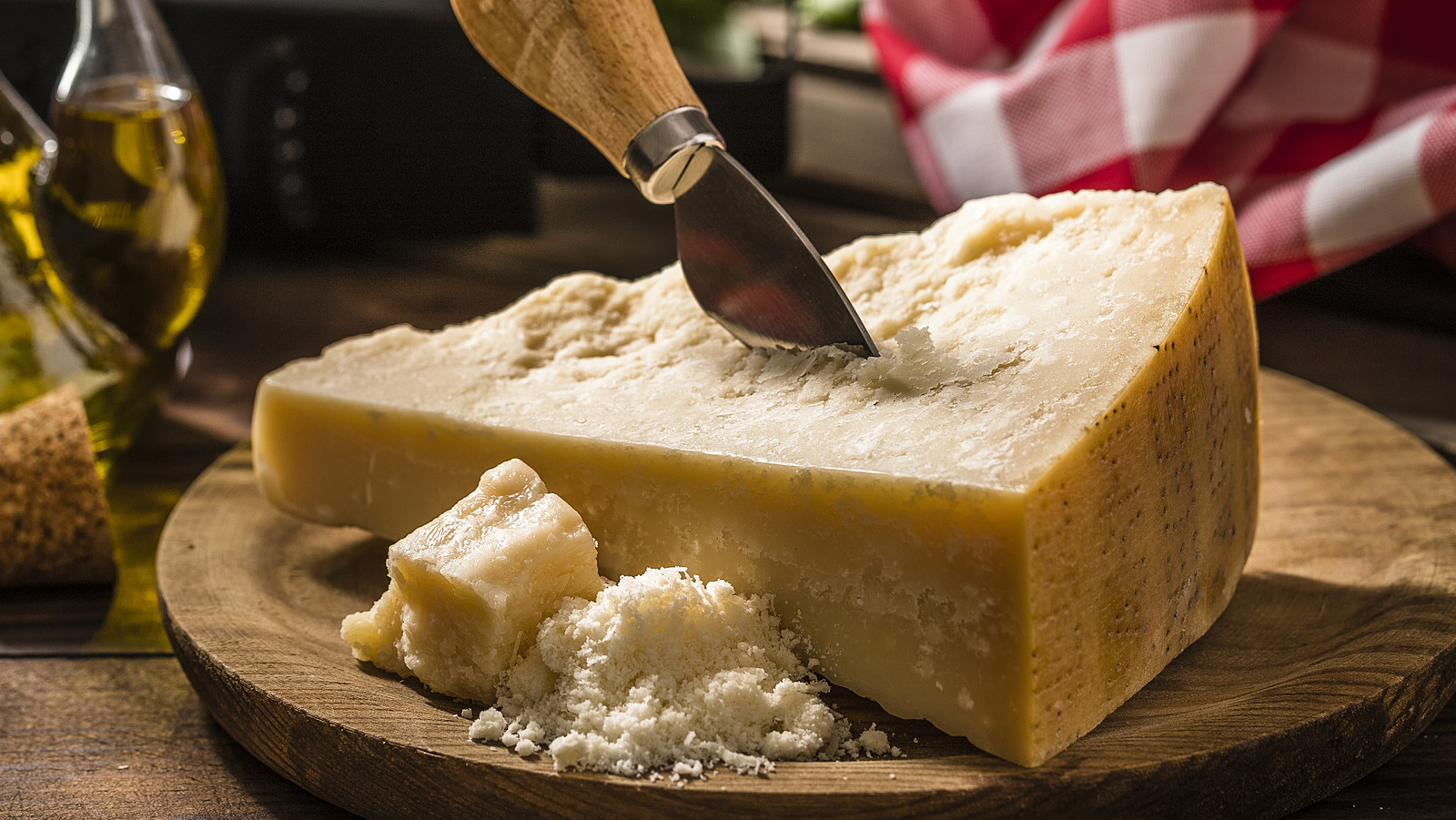 Parmesan Rinds Are The Key To Super Creamy Sauces
Just pop that rind into your next pot of minestrone, marinara, or risotto. It won’t melt—it stays tough—but it will infuse your whole dish with a savory depth that makes people ask, “Did you use a secret ingredient?” And you can just smirk and say, “Maybe.” (You’ll feel like a conspirator in your own kitchen.)
Okay, But How Exactly Do I Use It?
First, freeze the rinds as you collect them. I keep a Ziploc bag in my freezer door, looking all shady like a drug stash. When you’re ready, just drop a rind (or two—go wild) into a simmering soup, sauce, or stock. Let it bubble for at least 20 minutes. That’s it. No effort, maximum payoff.
You can also toss a rind into a pot of beans while they cook. Lentils, cannellini, black beans—they all get a weirdly luxurious upgrade. And if you’re feeling extra fancy, throw a rind into your polenta while it’s cooking. The result? Creamy, umami magic that makes you feel like a Michelin-star chef.
One warning: don’t boil it to death for hours and hours, or the rind might get a little gummy. I learned this the hard way and ended up fishing out a sad, slimy blob. Stick to 20-40 minutes, and you’re golden. (Or, you know, Parmesan-colored.)
:max_bytes(150000):strip_icc()/GettyImages-595717252-de1275c6f652477b88c53cebf173211c.jpg) Cooking With Parmesan Cheese Rind at Harrison Humphery blog
Cooking With Parmesan Cheese Rind at Harrison Humphery blog
The Great Rind Conspiracy (And Other Truths)
I have a theory that big cheese companies are just delighted that we throw away the rinds. They get to sell us less cheese for the same price, and we’re too busy grating the good stuff to notice. It’s a scam, I tell you! But now you’re in on the secret.
And let’s be real: nothing feels more resourceful than turning a piece of "trash" into dinner gold. It’s like finding a twenty-dollar bill in an old coat pocket. Except that twenty-dollar bill tastes like aged, salty heaven and makes your pasta sing.
So next time you finish a block of Parmesan—real Parmigiano-Reggiano, not that green-can dust—don’t you dare throw the rind away. Give it a little kiss, whisper “I’ll use you later,” and stash it in the freezer. Your future self, standing over a bubbling pot of soup, will thank you. Probably out loud.
Pro tip: If a recipe calls for a Parmesan rind and you don’t have one, just say you didn’t have one. No shame. But now that you know the truth, you’ll never be without again. Go forth and rind, my friends.