
Let’s start with the obvious: we live in the UK, where rain is practically a national hobby. Those grooves on your decking boards are like tiny little gutters.
If you lay them grooves up, you’re creating a series of channels. They direct water off the board, helping the surface dry faster after a downpour. That means you can get those garden chairs out sooner.
But here’s the twist: those same grooves are also brilliant at trapping dirt, fallen leaves, and stray bits of moss. You might find yourself getting intimate with a stiff broom more often than you’d like.
The “Slippery Slope” Argument
Now, consider the alternative: grooves down. This gives you a perfectly smooth, sleek top surface. It looks modern, it feels clean, and it’s a dream to sweep.
However—and this is the big one—a smooth, wet deck can become a skating rink. That first morning dew or unexpected April shower can turn a casual stroll into a slapstick routine. Not the kind of fun you signed up for.
So, are you prioritising grip and rapid drying (grooves up) or easy cleaning and a stylish finish (grooves down)? It’s a genuine trade-off.
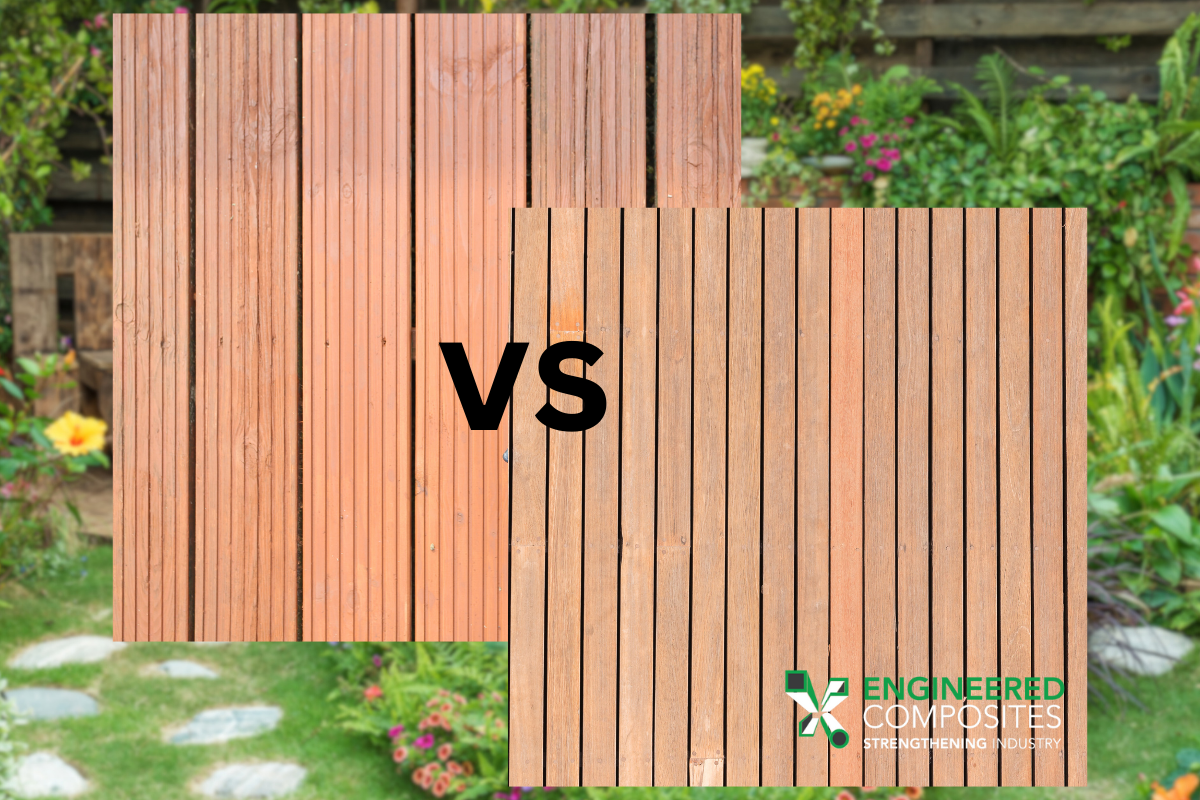 Decking Grooves: Up or Down? - Engineered Composites

