
Roasting vegetables in olive oil is practically a life hack. Toss broccoli or potatoes in a generous amount of EVOO, salt, and pepper, then roast at 400°F. The oil helps carry the heat evenly and creates crispy edges.
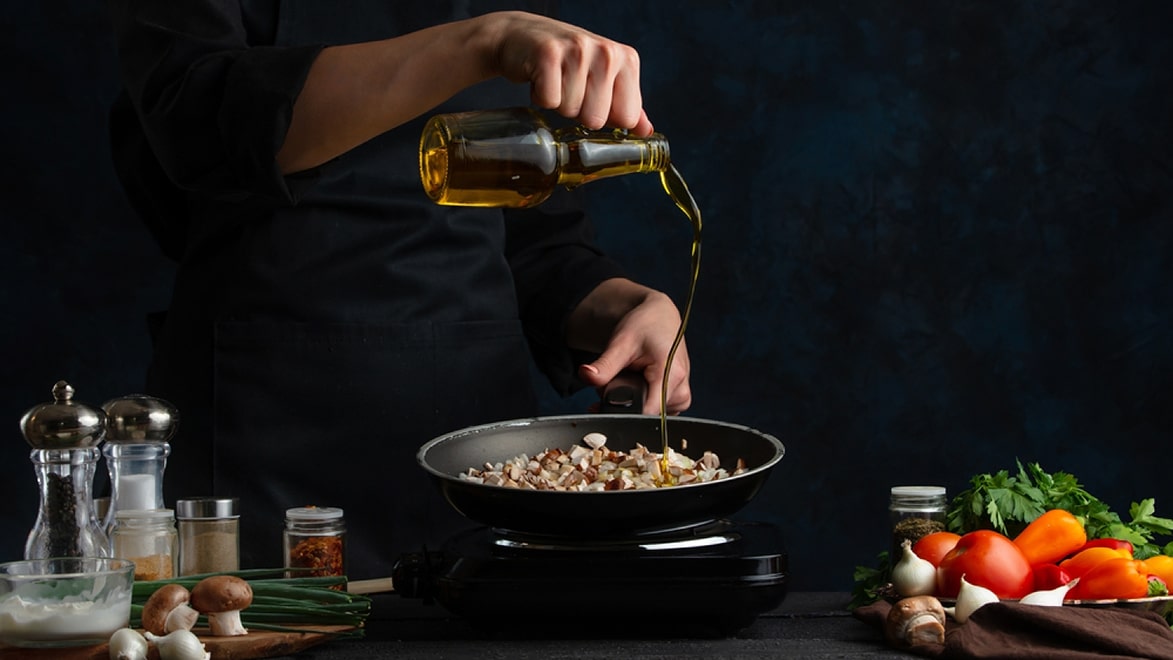 Olive Oil, Coconut Oil, Or Avocado Oil? How To Choose The Right One For
The trick here is not to drown them. Just a light coating—like a thin jacket, not a heavy coat. You want them glistening, not swimming in a pool of oil.
You can even bake with it. Substitute olive oil for butter in savory cakes or quick breads. It adds a subtle fruitiness that actually works—try it in a lemon-olive oil cake. Trust me on this one.
The Finishing Touch: Why You Should Hold Some Back
Here’s my favorite move: cook with a neutral olive oil or a cheap EVOO, then finish the dish with a drizzle of your best bottle. This adds fresh, peppery flavor without the heat destroying it.
Think of it as the difference between a singer warming up backstage and the star performance on stage. The cooked oil does the heavy lifting; the raw oil steals the show.
Drizzle it over roasted veggies, pasta, or even pizza right before serving. It’s the final boss move that makes people think you spent hours in the kitchen.
So don’t be scared of that bottle. Stop treating olive oil like something you only put on bread. Heat it, use it, and burn a few things (I did) until you get the feel. You’ll be fine. Just keep the smoke detector batteries fresh.

