If your gauge sits steady at the middle mark—usually between the C and H—you’re golden. That’s the optimal operating temperature your car’s thermostat works hard to maintain. Fun fact: most modern cars don’t even show you the exact number anymore; they just give you a happy little indicator. But if you’ve got a digital readout or an OBD-II scanner, aim for that 195–220°F window.
Now, what if your needle drops below 190°F? You might be driving a cold-blooded lizard. This often means your thermostat is stuck open, letting coolant flow constantly without warming up. Sound familiar? It means your engine runs inefficiently, your heater blows lukewarm air, and your fuel economy takes a hit. Not the end of the world, but annoying—like wearing a winter coat in spring.
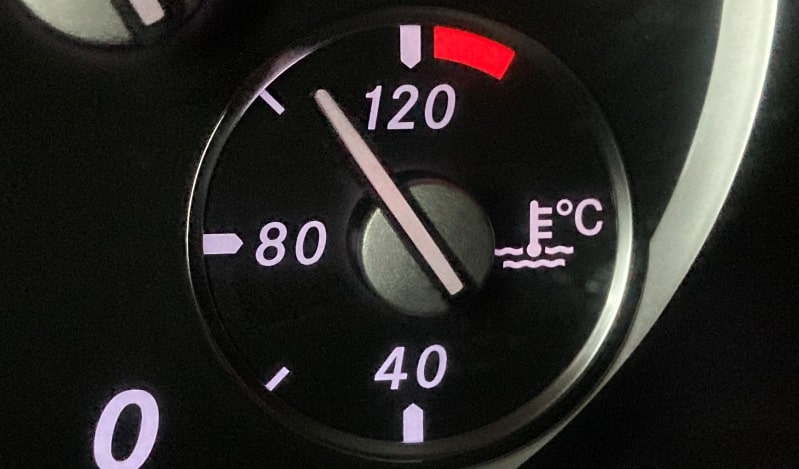
When the Needle Starts Climbing (The Panic Zone)
If your coolant temp goes above 230°F, you’re entering the danger zone. Above 240°F? Pull over, now. At that point, your coolant can boil, causing steam pockets that wreck your water pump and blow head gaskets. I once ignored a creeping gauge because I was “almost home”—spoiler: I wasn’t home. I was in a tow truck, wondering why I didn’t listen to my own advice.
But here’s the irony: a sudden drop in temperature while driving can also be bad. If your gauge swings wildly from hot to cold, it might mean low coolant or a failing temperature sensor. Your car is basically screaming, "I’m confused, help me!" Don’t ignore it—pull over, let it cool, and check the reservoir.
 What to Check When Buying a Used Car in Ontario - Used Car Toronto