
Here’s a real-world example. Last week, I found a photo of a receipt from a trip I took in 2019. It was crumpled, faded, and looked like it had been through a washing machine. I uploaded it to Google Drive, opened it with Docs, and within seconds it spat out a perfect list of “Nachos - $12.50” and “Two Burritos - $18.00.”
That single act saved me from a thirty-minute argument with my bank. If I had paid for that one page, I’d have spent maybe a fraction of a cent. It’s like having a magical, invisible intern who doesn’t complain about coffee breaks. For the price of zero dollars (if you’re under 20 pages), you get the satisfaction of watching your life become searchable.
The "But I Have to Pay??" Reality Check
If you’re a student who scans 60 pages of a textbook every week, your math looks like this: 20 free pages, then 40 paid pages. At $1.50 per 1,000, that’s like 6 cents for those extra 40 pages. That’s less than a single cent per page. You spend more on a highlighter that dries out after three uses.
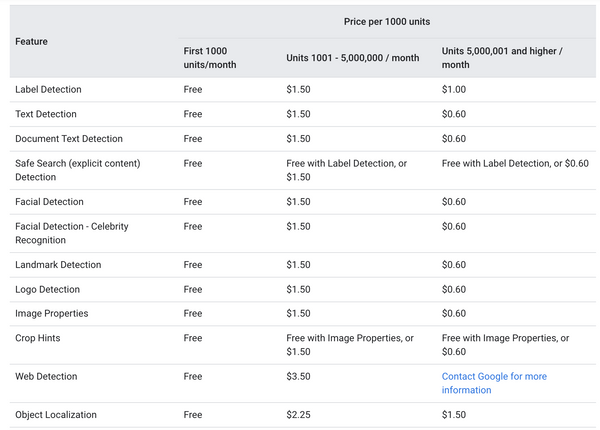 Google Cloud Vision OCR: A Comprehensive Overview
For businesses, the scale is different, but the logic is the same. If you’re digitizing a filing cabinet full of invoices, you’re looking at a few dollars per thousand pages. Compare that to the cost of a temp worker who types slowly and eats your snacks. The robot wins every single time, and it never asks for a vacation.

