
Here’s where it gets fun. Ask a born-and-bred East Ender from Bethnal Green if Canary Wharf is ‘East London,’ and they’ll probably laugh. For them, the real East End is about pie and mash shops, street markets, and a certain rough-around-the-edges energy. Canary Wharf feels like a glassy, corporate transplant dropped onto historical soil.
But the official boundary lines don’t lie. The Isle of Dogs has always been part of the historical East End, even if its current vibe is more Soho House than Brick Lane. The area is in Postcode E14, and any London postcode starting with ‘E’ is unequivocally East London. It’s a case of geography versus cultural sentiment.
Think of it like this: Canary Wharf is the wealthy, well-dressed cousin who moved to the trendy part of town but still shows up to the family barbecue. The barbecue might be in Hackney, but the cousin’s house is still on the same street.
What Makes It Tick (and What’s Actually Fun)
Let’s be real — most people only visit Canary Wharf for work or a fancy dinner. But if you dig deeper, there’s a surprising amount of culture hiding between the escalators. Did you know there’s a Mudchute Farm a short walk away, where you can pet goats with a view of the skyscrapers? It’s the ultimate ‘East London meets countryside’ moment.
For art lovers, the Canary Wharf Winter Lights festival is a must. Every January, the plazas become an open-air gallery of neon and interactive installations. And during summer, the docks host pop-up cinema nights where you can watch a film while floating on a boat — very London.
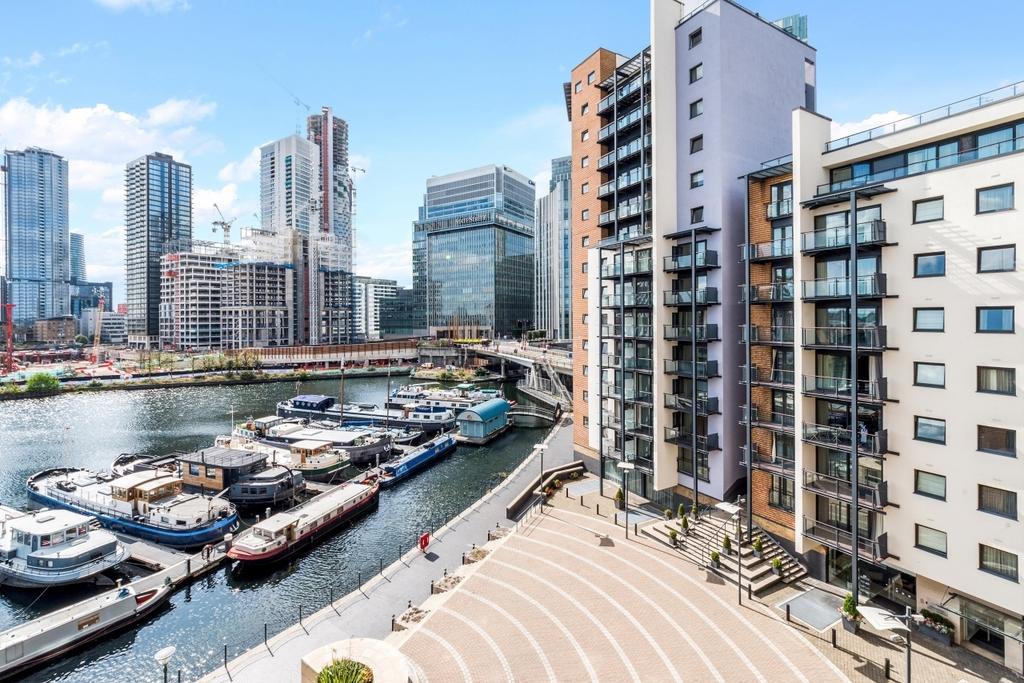 Canary Wharf: London's Financial Hub
Food-wise, skip the generic chains and head to Roka for upscale Japanese or Iberica for Spanish tapas with a view. Or walk five minutes to the Crossrail Place Roof Garden, a hidden rainforest of exotic plants that feels like a secret greenhouse above the train tracks. It’s my go-to spot for a quiet lunch break that feels like a mini-vacation.

