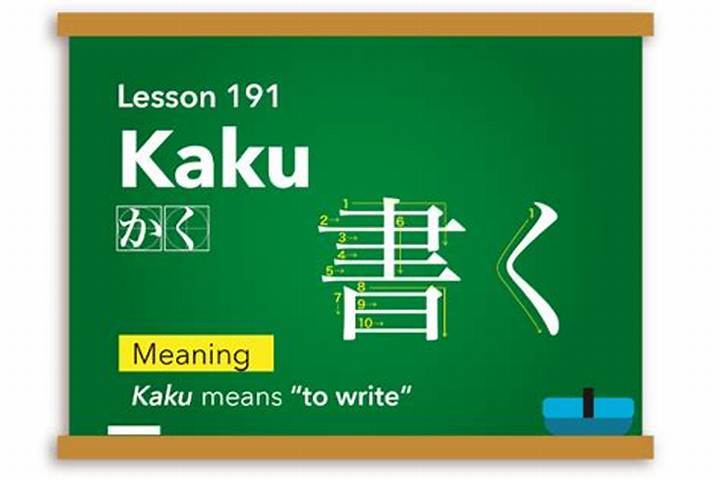
Japanese onomatopoeia is more than decoration. It’s a system for compressing sensory detail into a short, memorable form. Terms like kaku-kaku let speakers describe how something looks, feels, or “lands” without writing a long explanation.
While the exact “origin story” of any one onomatopoeia can be hard to pin down publicly—because the language evolved in everyday use—what’s clear is the pattern: Japanese has long used rhythmic, doubled sound words to capture physical impressions.
Doubled forms like kaku-kaku often imitate repeating steps or repeated effects. When you see that repetition, your instincts should point you to something that happens in beats rather than one continuous motion.