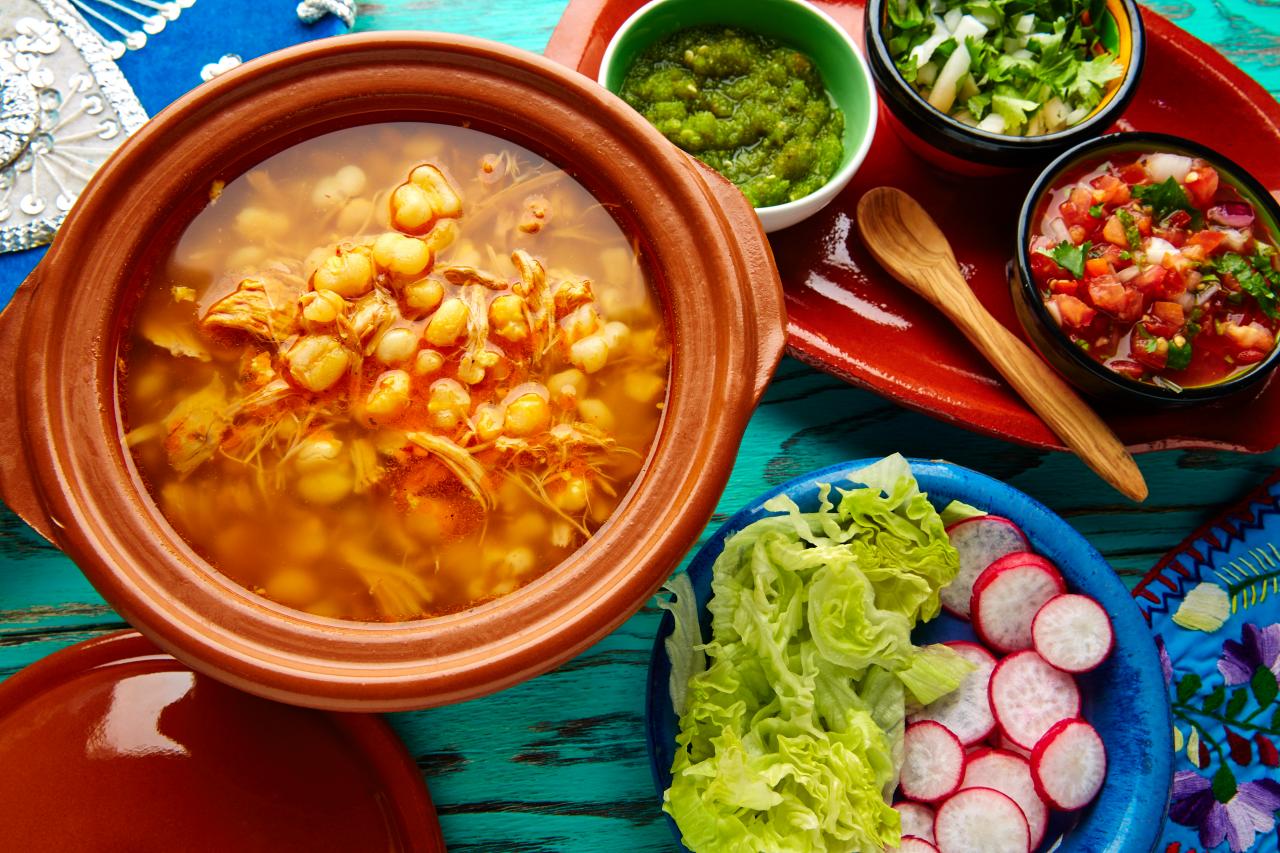
Let’s go way back—like, pre-1492 back. The Nahua people, the ancestors of the Aztecs, were the OG pozole chefs. But here’s the kicker: they didn’t use pork. Not even close. (You’re probably thinking: pork is life, right? Hold that thought.)
Back then, the main protein in pozole was human flesh. I know, I know—gross, right? But it wasn’t just a cannibal snack; it was a deeply sacred act. They believed the gods had created humans from masa (corn dough), so eating a sacrificial victim’s flesh was like reuniting with the divine. The word “pozole” itself comes from Nahuatl, pozolli, meaning “foamy” or “whipped”—referring to the way the hominy swells up in the broth.
Then, the Spanish showed up. They were horrified by the whole human-eating thing—fair enough—and banned it. But they loved the dish itself. So, they swapped out the human meat for pork, which they described as tasting “similar enough” to human flesh. (I think I’ve lost my appetite, but also, chef’s kiss for adaptation.)