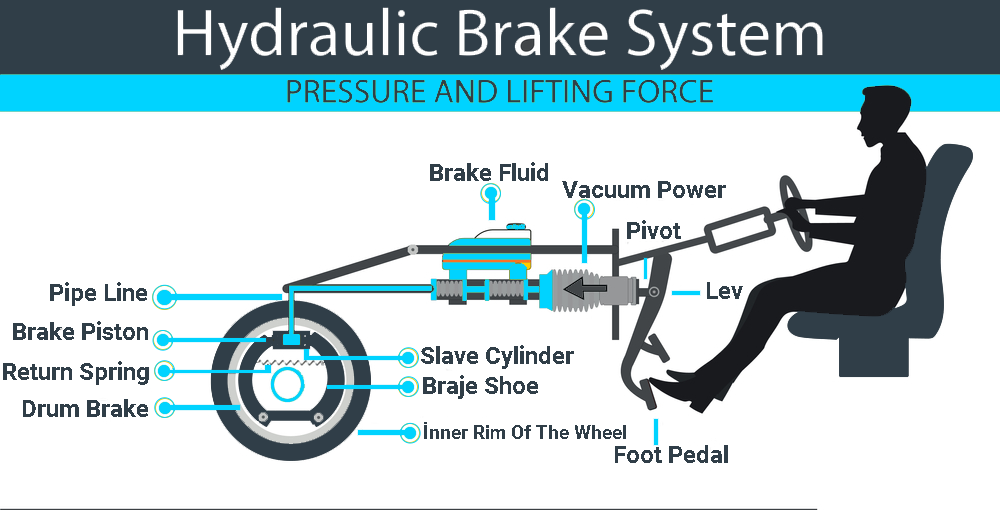
Let’s get one thing straight: hydraulic jacks and brake systems are like distant cousins who live in different countries. They both use fluid to transfer force, sure, but they speak completely different languages. Brake fluid is specially formulated to work under insane pressure and high heat in your car’s braking system. Your jack, meanwhile, is a humble lifting machine that prefers a chill, low-heat environment.
Think of it like this: you wouldn’t put coffee creamer into your gas tank, even though both are liquids. That’s the kind of “oops” we’re dealing with here. Brake fluid is hygroscopic, which is a fancy way of saying it loves water—like a thirsty sponge. Your jack’s internals hate moisture, because it leads to rust, corrosion, and a very sad jack that won’t lift your car.
But It Looks the Same!
I get it. Both fluids are often clear or slightly amber, and they pour like magic. But looks can be deceiving—just like that “healthy” salad that’s actually drowning in ranch dressing. Brake fluid has a lower viscosity (it’s thinner) and can eat through seals and O-rings designed for thick hydraulic oil. Your jack’s seals are like cozy rubber hugs for mineral oil; brake fluid is the party guest who shows up and melts the furniture.
Here’s a little secret: even putting the wrong type of brake fluid (DOT 3 vs. DOT 4) in your car’s brakes is a no-no. Now imagine dumping that into your jack. Spoiler alert: it won’t end with a high-five. You’ll likely get leaks, sluggish performance, and eventually a jack that refuses to hold your car up—which is terrifying and not the kind of excitement any of us need on a Saturday afternoon.