
Here’s the fun twist—it’s not absorption, it's adsorption. Wait, don’t click away! I know that sounds like a chemistry lecture, but it’s actually simple.
Absorption is like a sponge soaking up water—it fills its pores. Adsorption, on the other hand, is like Velcro: impurities stick to the surface of the carbon like static cling. Those pollutants basically get arrested on sight.
The thousands of tiny pores in each gram of carbon give it huge surface area—imagine a square mile of sticky flypaper crammed into a teaspoon. That’s why a little filter can tackle so much crud.
What Exactly Does That Charcoal Catch?
Carbon filters are masters of the bad stuff—chlorine, volatile organic compounds (VOCs), and that weird medicinal taste from tap water. They also snatch up some pesticides and industrial chemicals you really don’t want in your morning coffee.
But here’s the irony: carbon is terrible at stopping things like salt, heavy metals (lead, arsenic), or bacteria. So if you’re expecting your countertop filter to double as a hazmat suit, think again. It’s a great bouncer, but it has a guest list.
And yes, that’s why you can run ocean water through a Brita and still get gross, salty water. Don’t try that on a desert island—you’ve been warned.
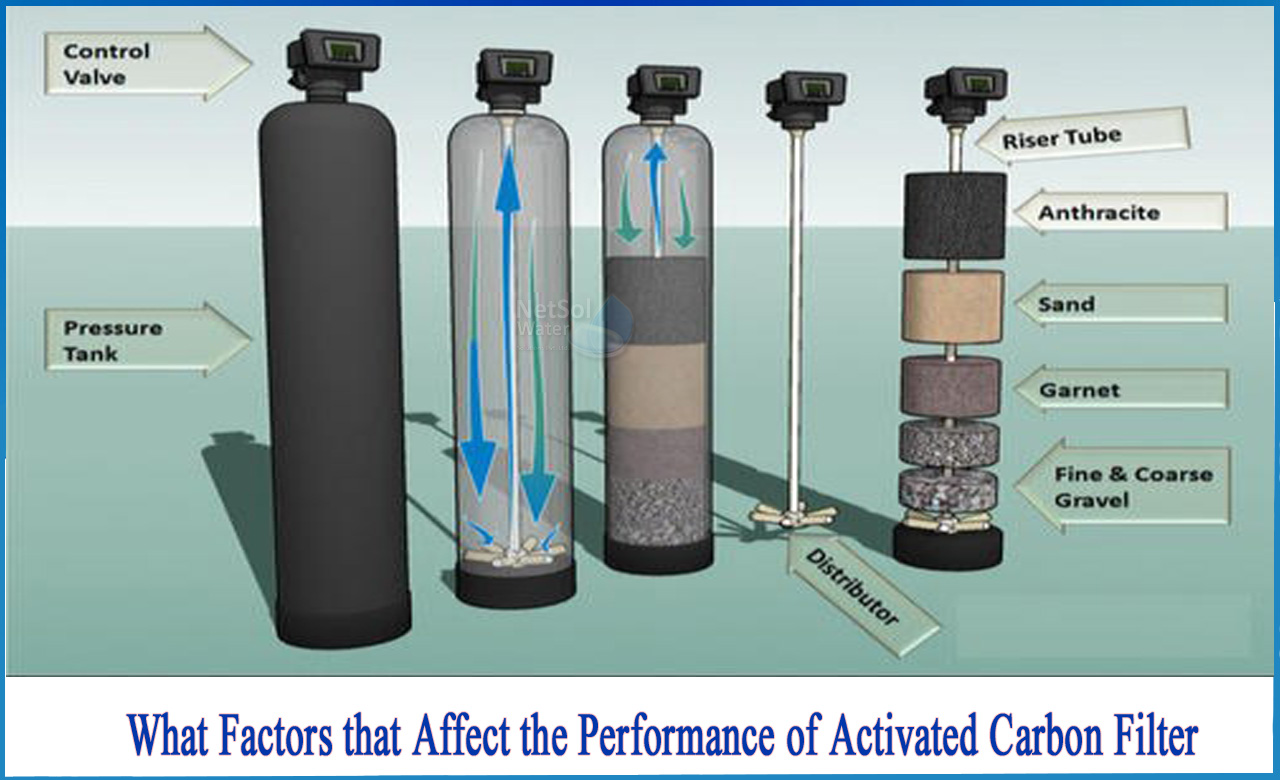 What Does A Carbon Filter Do

